

Buy Freshly Roasted Coffee Online: 2026 Guide
Table of Contents
- How to Verify Roast Freshness When Buying Online
- Best Coffee Beans to Buy Online: Single-Origin vs. Blends
- Coffee Beans Roasted to Order: Why It Matters
- Whole Bean Coffee Delivery: Choosing the Right Format
- Selecting Beans by Your Brewing Method
- Coffee Subscription Delivery: Convenience and Freshness
- Storage Tips to Preserve Freshness After Delivery
- Price and Value: What You're Really Paying For
- Frequently Asked Questions
Last Updated: October 19, 2026
When you're serious about coffee, freshness isn't negotiable. The difference between a bag roasted three weeks ago and one roasted three days ago shows up immediately in your cup, brighter aromatics, cleaner flavor, more complexity. At DonAntoniosCoffee, we've built our entire operation around this principle: we roast beans the day they ship, ensuring what arrives at your door is as fresh as coffee can be when buying freshly roasted coffee online.
But freshness claims are everywhere. Every roaster says their beans are fresh. The real question is how you verify it, what formats actually preserve that freshness, and whether the price premium actually delivers a noticeably better cup. This guide walks you through exactly what matters when you buy freshly roasted coffee online.
How to Verify Roast Freshness When Buying Online
A roast date printed on the bag is non-negotiable. Without it, you have no way to know if those beans were roasted yesterday or six months ago. Legitimate roasters, the ones serious about freshness, always include a visible roast date. Some go further and stamp it on every bag by hand.
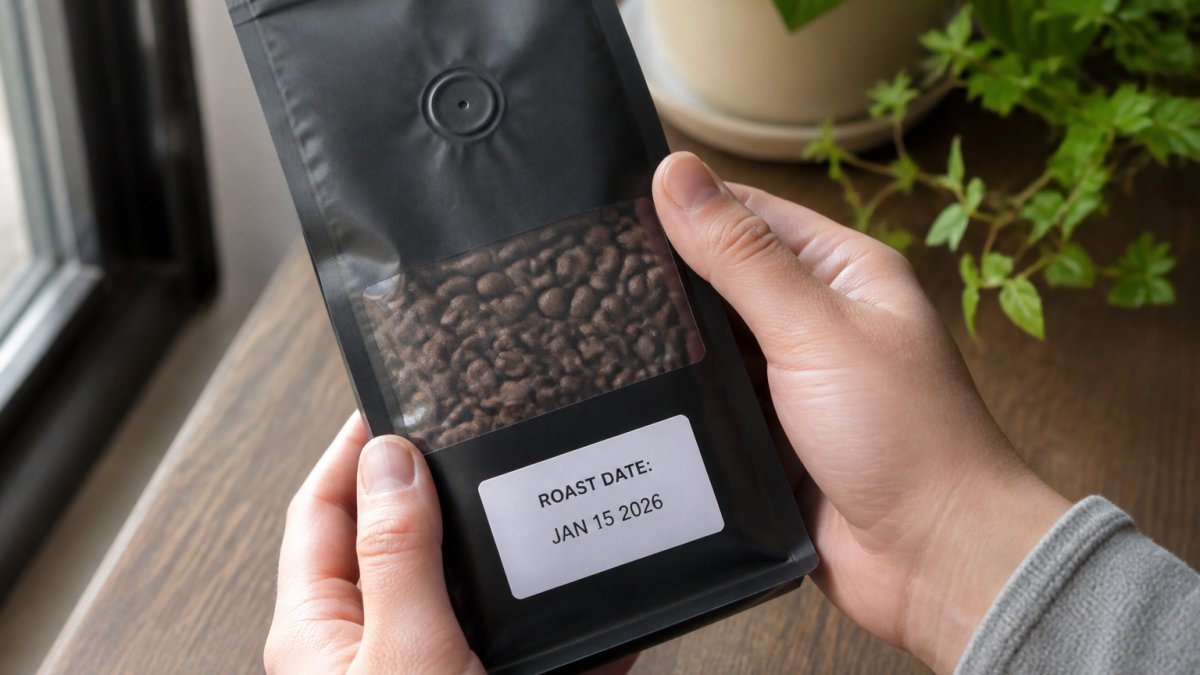
Look for transparency about the roasting process itself. When a roaster explains their exact roasting timeline, "we roast to order and ship within 24 hours", that's a signal they're confident in their freshness claim. Vague language like "freshly roasted" without specifics is a red flag.
The best verification comes from a simple test: order a small sample and note the roast date. Then taste it immediately, at three days out, and at two weeks. You'll develop a personal benchmark for what "fresh" means to your palate. After that, you'll recognize when a roaster is delivering on their promise.
Best Coffee Beans to Buy Online: Single-Origin vs. Blends
Single-origin and blended coffees serve different purposes. Neither is objectively "better", it depends on what you're after.
Single-Origin Options for Distinct Flavor Profiles
Single-origin coffees come from one farm, region, or cooperative. They highlight the specific characteristics of that terroir: altitude, soil, processing method, and the farmers' expertise. When you buy a Kenyan single-origin, you're tasting what that specific place produces.
Our Uganda coffee delivers floral and chocolate notes with a light body. The Kenya single-origin brings bright acidity with orange and lemon zest. If you want bold earthiness and syrupy body, the Sumatra medium-dark roast is uncompromising. Each tells a story about where it grew.

Single-origins work best when you have a brewing method you love and want to explore how different origins perform in it. They're also the choice for gift-giving when you want to give someone a specific, memorable experience rather than a safe middle ground.
| Origin | Roast Level | Tasting Notes | Best For |
|---|---|---|---|
| Uganda | Medium-Light | Floral, chocolate, dark fruits | Espresso, pour-over |
| Kenya | Medium-Light | Orange, lemon, floral | Bright, clean brewing |
| Sumatra | Medium-Dark | Dark chocolate, earthy, syrupy | French press, espresso |
| Peru | Medium | Salted caramel, citrus | Drip, pour-over |
| Ethiopia Natural | Medium-Light | Milk chocolate, fruity, caramel | Espresso, Aeropress |
| Colombia | Medium | Dried orange, berry, chocolate | Drip, pour-over |
| Brazil Santos | Medium | Cocoa, smooth, elegant | Any method |
Blended Coffees for Consistency and Balance
Blends combine beans from multiple origins to create a consistent flavor profile and smoother drinking experience. A good blend balances body, acidity, and sweetness in ways that appeal to a wider range of palates.
Our House Blend mixes Central and South American coffees for nutty warmth and chocolate sweetness, approachable any time of day without demanding attention. The Breakfast Blend leans light with walnuts and toffee, designed specifically for morning drinking when you want brightness without intensity.
Blends are your answer if you want simplicity or consistency. They're also better for subscription services where you want reliable familiarity month after month.
Coffee Beans Roasted to Order: Why It Matters
Roasted-to-order is the difference between "fresh-roasted" marketing language and actual freshness. When a roaster roasts beans after you order them, not before, you get coffee at its peak.
Beans release CO2 for the first 24-48 hours after roasting. This outgassing is why fresh coffee has that characteristic snap and clarity. After a few weeks, that outgassing slows, and the coffee begins to flatten. Roasting to order means you're drinking coffee before it loses that liveliness.
The catch: roasted-to-order requires a roaster with real production capacity and fast shipping. It's not a claim a small operation can make casually.
Some roasters claim same-day roasting but actually roast in batches based on weekly demand. That's not the same as roasting your specific order after you place it. The difference matters most in the first two weeks, that's when freshness is most noticeable.
Whole Bean Coffee Delivery: Choosing the Right Format
Whole beans stay fresher longer than ground coffee because they expose less surface area to oxygen (Carbon monoxide emission rates from roasted whole bean and ground coffee). Once you grind, oxidation accelerates rapidly.
Ground coffee is the right choice only if you don't have access to a grinder or you're buying for someone who won't grind fresh. Pre-ground coffee loses aromatic compounds within hours of grinding. It's convenient, but you're trading flavor for convenience.
Our single-origin and blend offerings come as whole beans by default. If you don't have one, a burr grinder will transform how your coffee tastes.
For convenience without sacrificing too much freshness, buy whole beans and grind just before brewing. Use a kitchen scale to measure, it's more accurate than scoops and takes five seconds. The ritual becomes part of the experience rather than a burden.
Selecting Beans by Your Brewing Method
Different brewing methods extract coffee differently. Some methods work better with specific roast levels and bean densities.
Espresso benefits from medium to medium-dark roasts. Light roasts can work in espresso but may require precision.
Pour-over and Aeropress can highlight nuanced flavors. A light-roasted single-origin can show its terroir in a pour-over.
French press can be enjoyed with medium to medium-dark roasts with full body.
Drip machines work with various roasts, but some prefer medium roasts.
Coffee Subscription Delivery: Convenience and Freshness
A subscription model solves the "I forget to reorder" problem and ensures you always have fresh beans arriving regularly. The best subscriptions let you customize frequency, quantity, and roast preferences without locking you into a rigid schedule.
Look for subscriptions that allow pausing or skipping months without penalty. Life happens, you travel, you stock up, your consumption changes. A roaster that trusts you to manage your own subscription is a roaster worth supporting long-term.
Delivery frequency matters. Monthly shipments work for regular drinkers. Bi-weekly makes sense if you consume a lot or want maximum freshness. Weekly is overkill unless you're running a small café.
The per-bag cost on subscriptions may vary. Some roasters also include exclusive roasts or early access to limited releases as subscription perks.
Storage Tips to Preserve Freshness After Delivery
Proper storage extends the window where coffee tastes its best. An unopened bag of whole beans stays fresh for 2-3 weeks after roasting if stored correctly. Once opened, consume within 1-2 weeks for optimal flavor.
Store beans in an airtight container away from light, heat, and moisture. A sealed bag with a one-way valve works fine if you keep it in a cool, dark cupboard. Avoid the freezer, condensation when you open it damages the beans.
Grind only what you'll use in the next 24 hours. Pre-ground coffee begins losing flavor within hours. If you must buy pre-ground, use it within a few days and store it in an airtight container, not the original bag.
Don't store beans in the refrigerator. Temperature fluctuations and moisture create condensation that degrades flavor. The cold doesn't preserve coffee the way it preserves food.
Price and Value: What You're Really Paying For
When a bag of specialty coffee costs $21.99 instead of $8 for grocery store beans, you're not paying for a marketing premium.
First, sourcing. We work with cooperatives and small farms. That costs more than buying bulk commodity coffee at auction.
Second, freshness. Roasting to order and shipping cost real money. A roaster that roasts in bulk and warehouses inventory saves money.
Third, roasting skill. A roaster who can coax complexity out of a specific bean requires training, equipment, and time.
Fourth, transparency. When we list the farm, altitude, processing method, and tasting notes, we're committing to accountability.
The value check is simple: brew a cup of specialty coffee and a cup of grocery store coffee side by side.
Our single-origin coffees at $21.99 per bag with free shipping represent fair pricing for freshly roasted beans.
| Factor | Budget Coffee | Specialty Coffee | Impact on Your Cup |
|---|---|---|---|
| Sourcing | Commodity auction | Direct farm relationships | Flavor clarity and consistency |
| Roast date | Unknown | Printed on bag | Freshness and brightness |
| Roasting | Batch, generic profile | Custom, bean-specific | Nuance and complexity |
| Shipping | Bulk, weeks in transit | Fresh, 1-2 days | Peak flavor window |
| Transparency | Minimal | Complete origin information | Accountability and traceability |
The best freshly roasted coffee online combines three things: a roaster committed to roasting after you order, transparent roast dates, and beans sourced with care. Try our Single Origin Favorites Sample Pack to explore six distinct origins, or start with our House Blend if you want reliable consistency.


Frequently Asked Questions
How can you tell if coffee beans are freshly roasted when buying online?
Check for a visible roast date printed on the bag, this is the clearest indicator. Freshly roasted coffee should be consumed within 2-4 weeks of the roast date for optimal flavor. Reputable roasters who practice roast-to-order shipping will display this date prominently. Avoid bags with vague labels like 'recently roasted' or no date at all. The fresher the roast date relative to your order, the more vibrant the flavor and aroma you'll experience in your cup.
What's the difference between whole bean and ground coffee when ordering online?
Whole bean coffee stays fresher longer because the beans' surface area remains intact until you grind them. Ground coffee oxidizes faster, losing flavor and aroma within days. When you buy freshly roasted coffee online, whole bean is always the better choice if you have a grinder at home. Ground coffee makes sense only if you lack a grinder or need the convenience for travel. Whole bean delivery ensures you capture the full complexity of the roast.
Is freshly roasted coffee worth paying more than grocery store options?
Yes, if you notice the difference in your cup. Freshly roasted coffee roasted to order typically costs $20-25 per bag versus $8-12 for supermarket options. The premium covers beans sourced from around the world, small-batch roasting, and same-day or next-day roasting before shipment. Most drinkers report noticeably brighter, more complex flavors and better aroma. Even a basic drip machine will reveal the difference. If you drink coffee daily, the quality improvement justifies the cost over a year.
How soon after roasting should you brew freshly roasted coffee?
Wait 3-5 days after the roast date before brewing. Freshly roasted beans release carbon dioxide gas that can make coffee taste sour or bitter if brewed too soon. After this 'degassing' period, the beans hit their flavor peak and stay excellent for 2-3 weeks. When you order freshly roasted coffee with roast-to-order delivery, the timing works in your favor: beans ship immediately after roasting and arrive at your home right as they reach optimal brewing readiness.
Can I pause a coffee subscription if I travel or can't drink it all?
Most coffee subscription services allow you to pause, skip, or adjust delivery frequency without penalty. Check the terms before subscribing. With coffee subscription delivery, you maintain control over shipment timing, which is essential for travelers or irregular coffee drinkers. You can also store whole bean coffee in an airtight container in a cool, dark place for several weeks, giving you flexibility if your routine changes. Always confirm the pause policy to avoid unwanted charges.